

Budget 2025: Fundraising Flexibility for Mutual Fund Trusts
Budget 2025 changes how funds qualify to accept money from RRSPs, TFSAs, and other registered plans. This shift matters for any manager operating or planning a mutual fund trust (MFT) or private investment fund.
What’s Changing
Until now, funds that did not qualify as MFTs could still raise registered plan capital by becoming Registered Investments. That option ends on January 1, 2027.
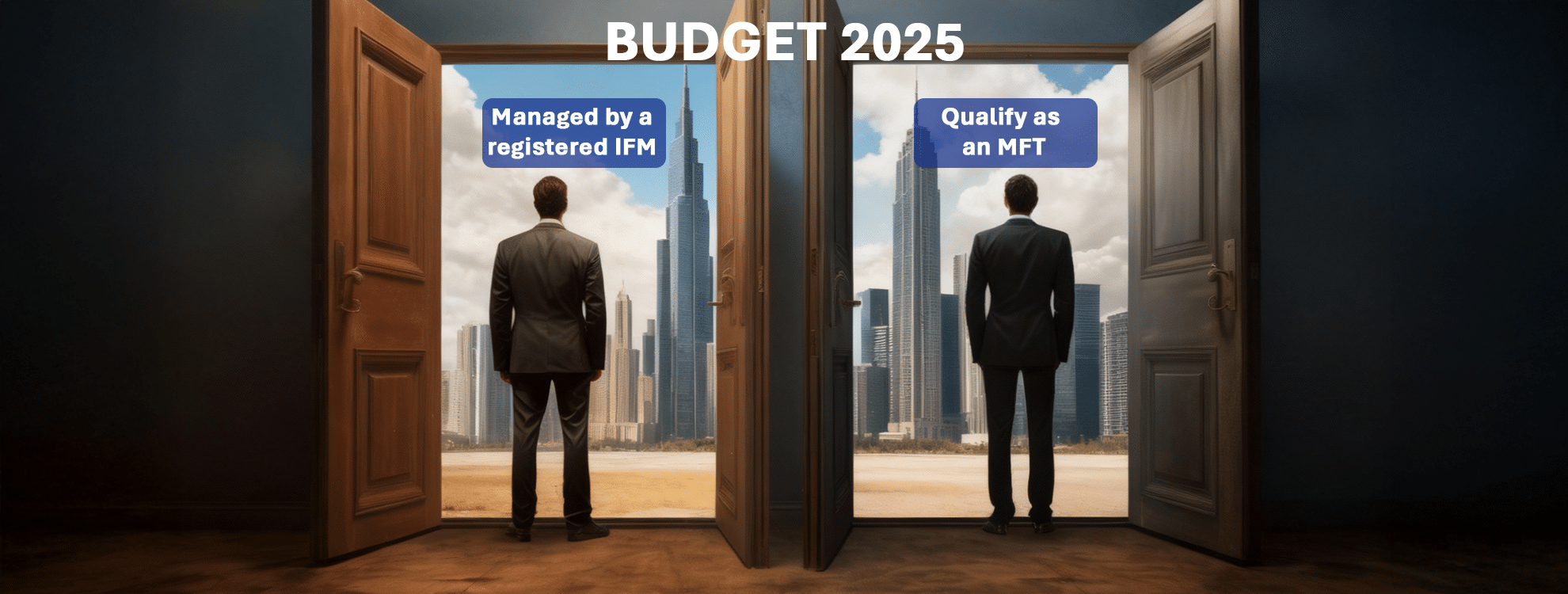
After that date, eligibility for RRSP and TFSA investment will depend on either:
- The fund qualifying as a Mutual Fund Trust (MFT), or
- The fund being managed by a registered Investment Fund Manager (IFM) under NI 31-103.
This change removes the need to reach 150 investors if the manager is an IFM. Smaller funds can remain private and targeted yet still accept registered capital. The trade-off is increased regulatory oversight of the manager.
Why This Matters
Before Budget 2025, the Registered Investment regime was a common tool for funds with fewer than 150 investors. These funds could accept RRSP and TFSA money without public distribution or MFT status.
Now, that path will close. Managers must either qualify their fund as an MFT or become a registered IFM. This adds regulatory requirements but offers flexibility and credibility for funds seeking long-term capital.
Three Phases of the Change
Before Budget 2025: Funds qualified as MFTs or Registered Investments.
Transition (2025–2026): Registered Investment rules still apply but will be phased out. Managers should plan now.
After January 1, 2027: Funds must either meet MFT criteria or be managed by a registered IFM.
What This Means for Fund Managers
These changes help emerging and specialized funds that operate with a smaller investor base. They apply across asset classes, including real estate, private credit, venture, and private equity. Funds distributed through advisors will also benefit, as advisors often require RRSP and TFSA eligibility. Under the new framework, eligibility depends on IFM registration, not investor count. Managers can grow strategically without expanding the investor base to meet the old thresholds.
Preparing for the Transition
Before starting, consult legal counsel with Canadian securities expertise to confirm jurisdictions and structure.
Key steps to become a registered Investment Fund Manager (IFM):
- Determine jurisdictions: Identify where the fund is managed and marketed.
- Form a management entity: Use your existing manager or create a new corporate entity for fund oversight.
- Prepare the NI 31-103 application: Include a business plan, organization chart, and policy manual covering valuation, NAV oversight, compliance, and conflicts.
- Meet capital and compliance standards: Maintain minimum working capital and appoint a Chief Compliance Officer (CCO).
- Implement operational controls: Document valuation, custody, and investor reporting frameworks.
- Respond to regulatory review: Engage transparently with provincial securities commissions through the review process.
Conclusion
Budget 2025 removes the Registered Investment option and replaces it with a modern framework centered on IFM registration. This shift introduces regulatory responsibility but delivers greater fundraising flexibility for small and emerging funds. Managers who act early to register and prepare for 2027 will gain a clear advantage in accessing registered plan capital.
Contact David Smith at 1-604-559-8920 or [email protected] for futher information on how Pinnacle can help with this change.